

Is the $110B Skydance-Warner Bros Merger a Debt-Fueled Death Trap?
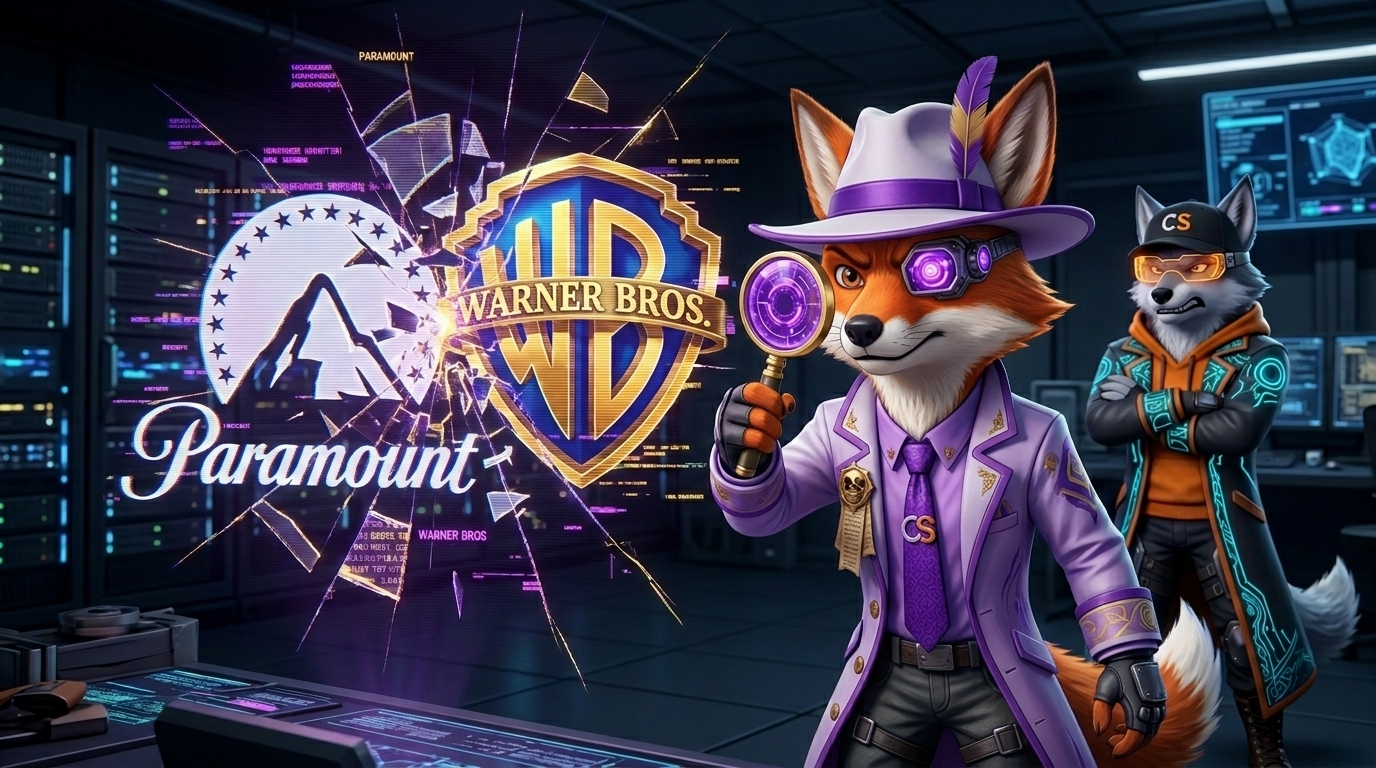

The legacy media is tripping over themselves to praise the “historic” $110.9 billion marriage of Paramount Skydance and Warner Bros. Discovery. They want you distracted by the shiny IP—Batman teaming up with Ethan Hunt—so you don’t notice the $79 billion debt anchor tied to this sinking ship. While the suits at the big mainstream media are busy writing love letters to David Ellison’s “vision,” I’m here to declassify the reality: this isn’t a strategic pivot; it’s a smash-and-grab that treats the fans like collateral damage.

- $110.9 Billion all-cash deal
- $79 Billion in debt marriage
- $6 Billion in layoffs
- leveraged buyout of your childhood?
- CINESIST STANDS WITH THE PEOPLE!
System Flaws: The $79 Billion Debt Bomb
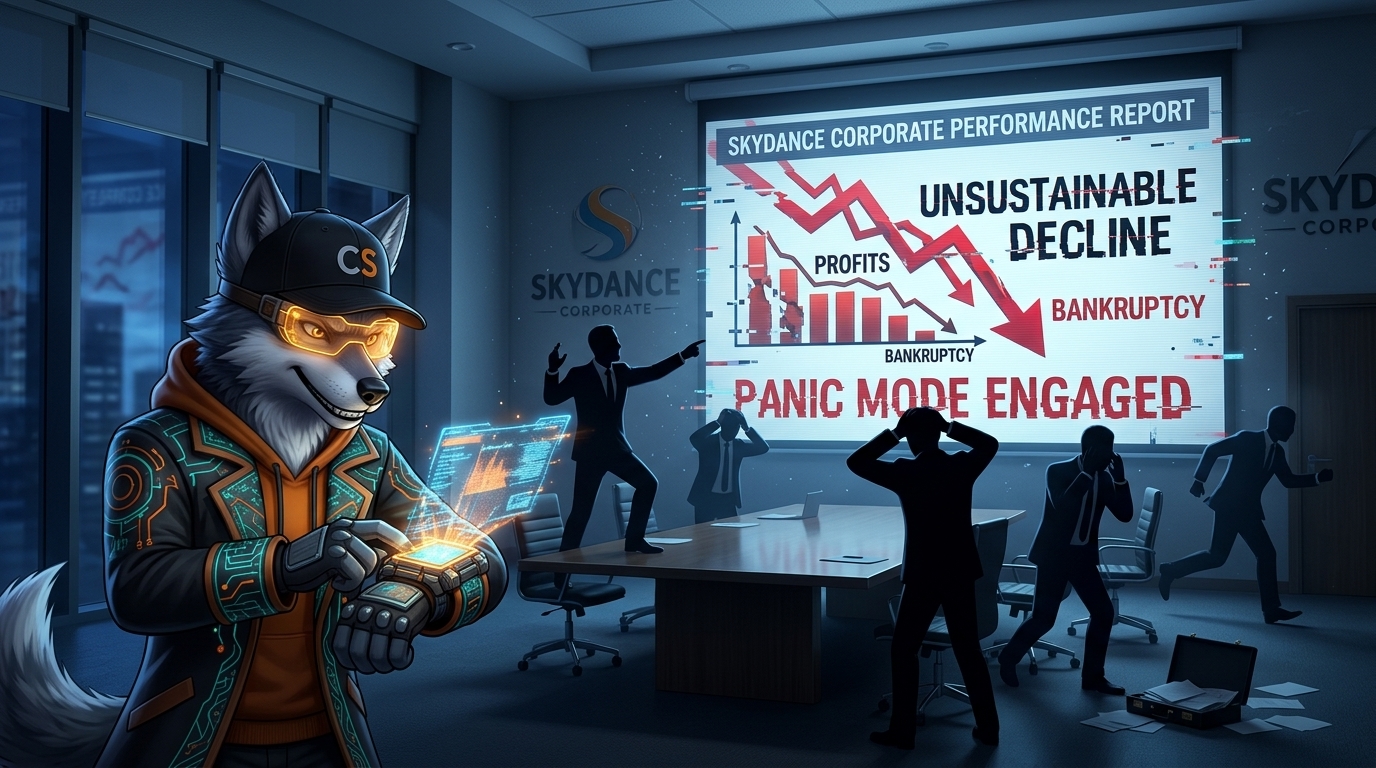
Let’s look at the math, Operatives. David Ellison and David Zaslav just built a monopoly that controls 30% of the U.S. box office, but they financed it with a staggering $79 billion in debt. To pay that back, they’re promising $6 billion in “synergies.” In the real world, “synergies” is just a corporate euphemism for an excuse for mass layoffs and hollowing out the creative middle class to satisfy a balance sheet that’s bleeding red. When you owe the bank that much money, there is zero room for artistic experiments. Every movie becomes a spreadsheet, and every risk is a “system failure.”
The Executive Exit Strategy
While the industry is bracing for “layoff anxiety,” the guys at the top are already swimming in their Scrooge McDuck vaults. David Zaslav just cashed out over $113 million in WBD stock. Think about that. If the captain of the ship is unloading his private stash while telling the crew that “the future is bright,” the bridge is already on fire. He’s walking away with a “golden parachute” that could fund a dozen mid-budget movies, while the actual workers are left wondering if their badges will still work on Monday.
The “Master Platform” Mirage
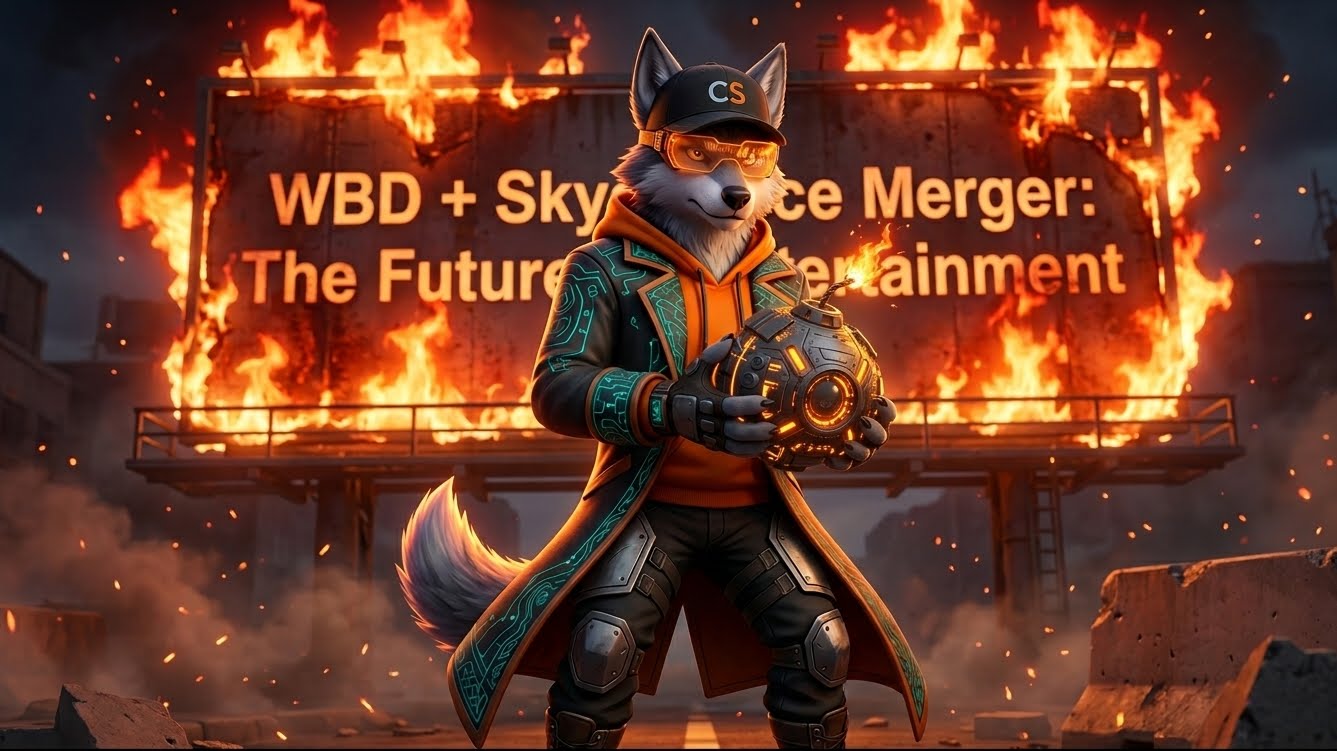
Ellison is selling a dream of a single “Master Platform” with 210 million subscribers. They think that by slapping HBO Max and Paramount+ together, they can magically lower churn and defeat Netflix. But they’re forgetting one thing: the tech. Merging two massive, buggy streaming infrastructures into one “unified stack” is a recipe for a digital disaster. They’re betting that you’ll keep paying for higher tiers just to keep your access to Harry Potter and Top Gun, while they cut the budgets of the very shows you subscribed for in the first place.
The “Second Screen” Sludge Factory
Internal memos suggest the focus is now on “Franchise Engagement.” Translated: expect more “not second screen enough” content. They want shows you can half-watch while scrolling through TikTok. The script quality is being “down-leveled” to ensure global 18-54 engagement metrics are hit. We are entering the era of the $300 million dumpster fire—visually loud, narratively empty, and designed by an algorithm to ensure you don’t cancel your subscription for at least 30 days.
Cipher’s Pre-empt
I know what the corporate apologists will say: “But Cipher, Ellison promised 30 theatrical releases a year! That’s a win for cinema!” Is it? Or is it just a way to flood the market with “Compromised” content to keep the exhibitors from revolting? Quantity is not quality. Releasing 30 movies a year while hollowing out your workforce is like trying to win a race by throwing your engine parts out the window to make the car lighter. You might go faster for a second, but you’re going to explode before you hit the finish line.
The Call to Chaos
They are treating the entire entertainment industry like a leveraged buyout and treating the fans like a mindless wallet with a pulse. They assume you’ll keep subscribing to the sludge because you have no other choice. Am I crazy, or have we all been brainwashed into cheering for the death of cinematic art just because the logos look cool together?

How Do You Feel After This Review?




Share Your Thoughts?
LOG IN TO THE CINESIST TERMINAL TO JOIN THE CONVERSATION